
Looking at a kitchen that feels dated by decades can seem like an architectural puzzle. Yet kitchen design trends have always been cyclical—reflecting shifts in technology, household dynamics, and architectural culture. In Chicago's historic housing stock, understanding the historical evolution of the kitchen provides the blueprint for modernizing vintage spaces without erasing their original character.
From isolated utilitarian sculleries to the vibrant culinary centers of today's homes, here is a look at 100 years of American kitchen evolution.
100 Years of American Kitchen Evolution
| Era | Defining Design Features & Materials | Cultural Driver |
|---|---|---|
| 1920s (The Sanitary Era) | Freestanding Hoosier cabinets, cast-iron farm sinks on legs, white subway tile, linoleum. | Obsession with hygiene, post-WWI cleanliness standards. |
| 1930s–1940s (Fitted Streamline) | Built-in continuous metal/wood cabinetry, early electric refrigerators, linoleum counters with aluminum edging. | The birth of the fitted "work triangle" and early modern appliances. |
| 1950s–1960s (Mid-Century Color) | Pastel cabinets (turquoise, pink), Formica laminate counters, built-in wall ovens, linoleum tile. | Post-WWII optimism, suburban ranch home boom. |
| 1970s–1980s (Earth Tones & Wood) | Dark oak raised-panel cabinetry, harvest gold & avocado appliances, dropped fluorescent ceiling soffits. | Back-to-nature aesthetics, open entertaining transitions. |
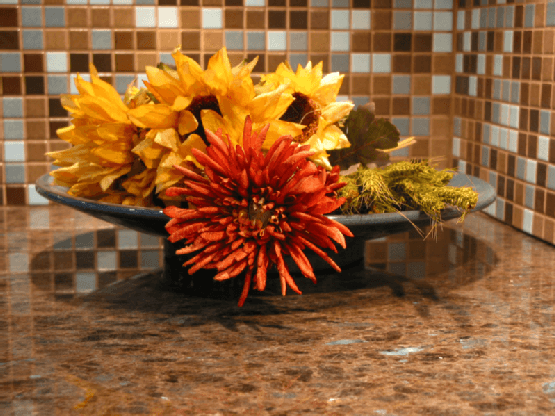
| 1990s–2000s (Tuscan & Granite) | Heavy tumbled marble, dark polished granite, warm cherry cabinets, oversized center islands. | Luxury display kitchens, commercial-style stainless appliances. |
| 2020s & Today (Timeless Performance) | Flush flat-panel & slim shaker cabinetry, seamless engineered quartz slabs, integrated induction, multi-zone LED lighting. | Open-concept great rooms, clean minimalism, natural materials. |
How 1920s Chicago Kitchens Inspire Today's Renovations
Chicago's famous 1920s brick bungalows and classic greystones originally featured compact, closed-off kitchens designed strictly for food preparation rather than gathering. Today, modern renovations honor those vintage roots while delivering contemporary luxury:
- The Modern "All-White" Aesthetic: The bright white subway tile and painted cabinetry of the 1920s remain timeless favorites, now elevated with durable epoxy grouts and stain-proof quartz worktops.
- Furniture-Style Islands & Workstations: Modern kitchen islands frequently borrow details from vintage butcher-block tables and freestanding pantry cupboards.
- Authentic Period Hardware: Restoring or replicating unlacquered brass, aged bronze, and glass cabinet knobs connects modern storage to a century of architectural history.
Frequently Asked Questions
What is a Hoosier cabinet?
Popularized in the early 20th century by the Hoosier Manufacturing Co., these freestanding wooden units featured built-in flour sifters, spice racks, and pull-out porcelain workspaces before built-in continuous cabinetry became standard.
How do you modernize a 1920s Chicago kitchen without ruining its historic charm?
By preserving original quarter-sawn oak moldings and door casings while reconfiguring internal layout partitions to fit built-in modern appliances, under-cabinet lighting, and quartz countertops.
Modernize Your Historic Chicago Kitchen
Since 1976, Budget Construction Company has specialized in blending historic Chicago architectural charm with state-of-the-art kitchen craftsmanship.
- Explore our Chicago Kitchen Remodeling Services
- View our Chicago Bungalow & Historic Remodeling Guide
- Request a Free Kitchen Design Consultation or call (773) 283-9200.
Reviewed by the Budget Construction Company Editorial Team
Budget Construction Company has served Chicago homeowners since 1976. Project costs and requirements vary by property, scope, and municipality.