
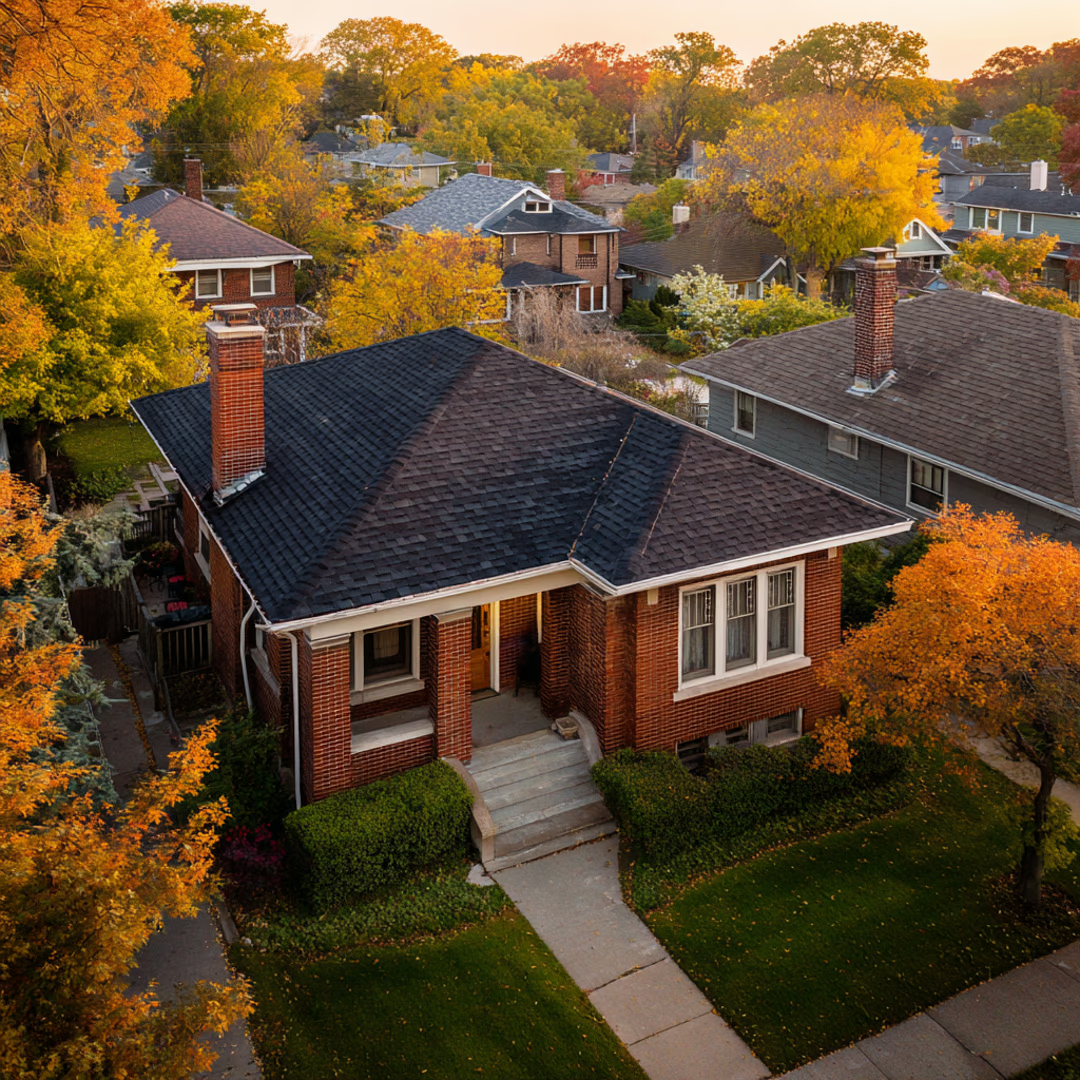
When water stains appear on an attic ceiling or shingles blow off after a high-wind storm, Chicago homeowners face a critical question: is a targeted repair sufficient, or is a full tear-off and replacement the smarter financial move?
Because Chicago roofs must withstand sub-zero wind chills, winter ice dams, heavy snow loads, and intense summer UV exposure, making the wrong call can lead to costly structural framing rot, soaked insulation, and ruined interior finishes.
2026 Chicago Roofing Cost Comparison
| Service Scope | Typical Chicago Cost Range | When It Is Appropriate |
|---|---|---|
| Minor Spot Repair / Flashing Fix | $450 – $1,200 | Roof is < 12 years old, localized wind damage, pipe boot failure, or minor flashing leak. |
| Major Sectional Repair / Flat Roof Patch | $1,500 – $3,500 | Repairing roof-to-wall transitions, chimney crickets, or resealing flat roof seams with modified bitumen. |
| Full Asphalt Shingle Replacement | $8,500 – $18,000+ | Roof is 18–25+ years old, granular loss across slope, curling tabs, or multiple existing shingle layers. |
| Full Modified Bitumen / TPO Flat Roof | $9,500 – $22,000+ | Common on Chicago 2-flats, greystones, and rowhomes; includes new insulation board, drainage taper, and commercial membrane. |
The 5 Crucial Rules for Deciding: Repair vs. Replace
1. The "Age of the Roof" Rule
- Under 10–12 Years Old: If the roof was installed properly and is only suffering from a localized issue (such as a dislodged shingle, loose step flashing, or deteriorated plumbing collar), a professional repair is usually the most cost-effective solution.
- Over 18–20 Years Old: Asphalt shingles lose their protective asphalt oils and granules, becoming brittle. Attempting to repair brittle shingles often damages adjacent rows. A complete tear-off is recommended.
2. The 30% Area Rule
If damaged, missing, or compromised shingles cover more than 25% to 30% of the entire roof area, repairing individual sections is no longer economical. Replacing the entire roof delivers manufacturer warranties and uniform wind resistance.
3. Chronic Ice Damming & Attic Ventilation Failures
Chicago winters frequently cause ice dams along eaves when warm attic air melts snow, which refreezes at cold gutters. If your roof suffers from chronic winter leaks, the issue is often inadequate intake/exhaust ventilation and lack of code-mandated ice-and-water shield membranes—problems that can only be permanently corrected during full replacement.
4. Multiple Layers of Old Shingles (City Code)
The City of Chicago building code prohibits installing more than two layers of asphalt shingles on a residential roof. If your home already has two layers, any further work requires a complete tear-off down to the roof sheathing to inspect for rot and sagging rafters.
Frequently Asked Questions
Can you shingle over an existing roof in Chicago?
While city code technically permits an overlay if only one existing layer is present, professional roofing contractors strongly advise a complete tear-off. Tearing off allows inspection of damaged plywood sheathing, ensures flat nail fastening, and validates the 30-to-50-year manufacturer warranty.
How long does a flat roof last on a Chicago multi-unit building?
A professional 2-ply modified bitumen roof or single-ply TPO/PVC commercial membrane roof typically lasts 20 to 30+ years in Chicago with routine semi-annual drain clearance and annual seam inspections.
Schedule Your Chicago Roof Inspection
Budget Construction Company has provided Chicagoland homeowners with honest roof assessments, storm damage inspections, and master-certified installations since 1976.
- Learn more about our Chicago Roofing Services
- Read our Guide to Roof Leaks and Attic Maintenance
- Request a Free Roof Estimate or call (773) 283-9200.
Reviewed by the Budget Construction Company Editorial Team
Budget Construction Company has served Chicago homeowners since 1976. Project costs and requirements vary by property, scope, and municipality.