
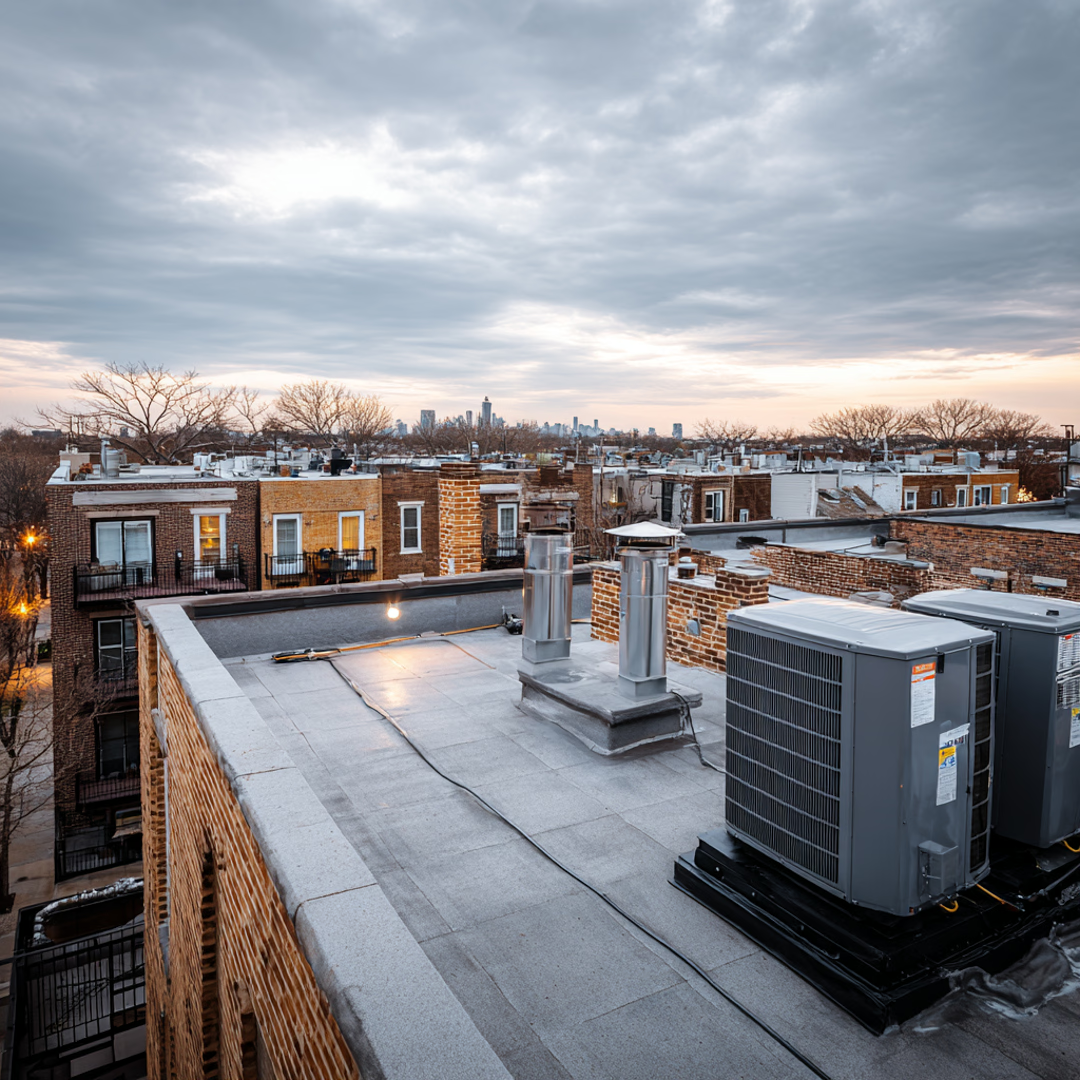
Discovering water dripping from an attic ceiling or brown water rings spreading across bedroom drywall is a homeowner's urgent warning sign. Because water travels along roof rafters, sheathing seams, and electrical conduits before finally dripping down, the visible interior stain is rarely located directly below the actual roof penetration.
Understanding the anatomical failure points of a Chicago roof—especially during harsh freeze-thaw cycles and severe gusting storms—enables prompt diagnosis and prevents structural rafter rot and mold growth.
2026 Chicago Roof Leak Repair Cost Guide
| Leak Source & Repair Scope | Typical Chicago Cost Range | Time to Repair |
|---|---|---|
| Plumbing Vent Pipe Collar / Rubber Boot Replacement | $350 – $650 | 1 – 2 Hours |
| Step Flashing & Counter-Flashing Repair (Wall/Dormer) | $650 – $1,400 | 2 – 4 Hours |
| Chimney Flashing & Mortar Cricket Rebuild | $1,200 – $2,800 | Half Day |
| Winter Ice Dam Steaming & Eave Membrane Repair | $800 – $2,500 | 3 – 6 Hours |
| Flat Roof Seam / Parapet Wall Flashing Reseal | $950 – $2,400 | Half Day |
The 4 Most Common Anatomy Failure Points of a Chicago Roof
1. Plumbing Vent Pipe Boots (UV & Freeze Cracking)
The neoprene rubber gaskets surrounding plumbing vent pipes on your roof dry out from UV exposure and crack during sub-zero freeze cycles, allowing rainwater to track directly down the plumbing stack into bathroom walls.
2. Step Flashing at Dormers & Sidewalls
Where pitched shingle roofs intersect vertical brick walls, siding, or dormers, metal step flashing cards must overlap each shingle course. If previous contractors relied on surface caulking rather than interlocking metal flashing, water inevitably enters behind the siding.
3. Chimney Flashing & Mortar Crickets
Brick chimneys act as water sponges during Chicago downpours. Failing lead or copper counter-flashing let into mortar joints, or the absence of a diversion cricket behind a wide chimney, creates chronic attic leaks.
4. Winter Ice Dams & Inadequate Attic Air Sealing
When heated indoor air escapes into an uninsulated attic, it warms the upper roof deck, melting snow. As meltwater runs down to the unheated eaves and cold gutters, it refreezes into a thick ice dam, forcing water backward underneath shingle tabs.
The 3-Step Attic Inspection Checklist
- Inspect with a Flashlight During Active Rain: Check rafter bays and plywood seams around chimneys, skylights, and exhaust penetrations for dark water trails or active drips.
- Check Insulation for Compaction: Wet fiberglass attic insulation loses its R-value, compresses, and develops black mold spores.
- Verify Intake & Ridge Ventilation: Ensure soffit vents are not blocked by loose blown-in insulation, allowing continuous cold airflow across the underside of roof sheathing.
Frequently Asked Questions
Can a leaking roof be repaired from the inside of the attic?
No. While buckets and temporary tarps catch water inside, permanently stopping a roof leak requires addressing exterior flashings, shingles, or ice-and-water membranes on the exterior roof surface.
How quickly should a roof leak be addressed?
Immediately. Even minor drips foster wood-decay fungi, weaken roof decking, and risk shorting out electrical wiring within 48 to 72 hours of initial water intrusion.
Fast, Professional Roof Leak Repairs in Chicago
Budget Construction Company provides emergency leak diagnostics, certified storm repairs, and comprehensive roof replacements across Chicago and the surrounding suburbs.
- View our Chicago Roofing Contractor Services
- Read our Chicago Roof Repair vs. Replacement Decision Guide
- Request a Free Roof Leak Inspection or call (773) 283-9200.
Reviewed by the Budget Construction Company Editorial Team
Budget Construction Company has served Chicago homeowners since 1976. Project costs and requirements vary by property, scope, and municipality.