
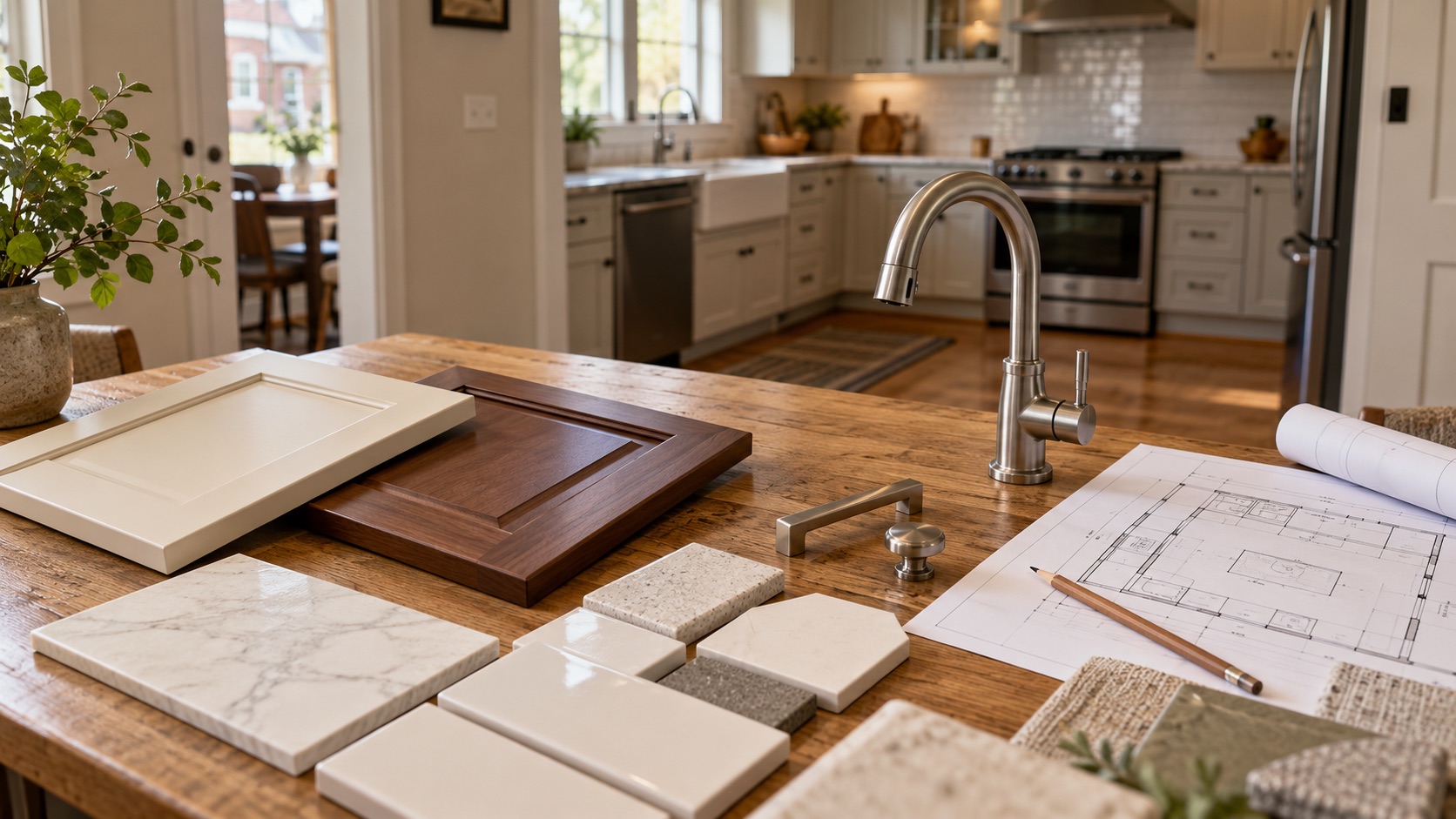
Lock the Layout First
Approve the location and size of walls, doors, cabinets, islands, vanities, showers, tubs, appliances, and major fixtures. These choices guide drawings, permits, framing, plumbing, electrical work, ventilation, and material quantities.
Changing a finish color is different from moving a sink after rough plumbing. Separate aesthetic decisions from choices that affect construction.
Confirm Long-Lead and Dimension-Critical Products
Prioritize products that affect openings, utilities, or surrounding finishes:
- Approve cabinets and vanities early because their dimensions organize the room.
- Confirm appliances and ventilation equipment before connections and surrounding cabinets are finalized.
- Match plumbing fixtures and visible trim to the correct concealed valves.
- Verify tubs, shower bases, glass, and specialty drains against the prepared openings.
- Order windows and exterior doors with enough time for field verification and delivery.
- Give the electrician specifications for decorative lighting and electrical devices.
- Reserve tile, countertops, flooring, and custom millwork after quantities and installation details are checked.
Record manufacturer, model, finish, quantity, supplier, expected delivery, and who is responsible for ordering and inspecting each item.
Coordinate Products as Systems
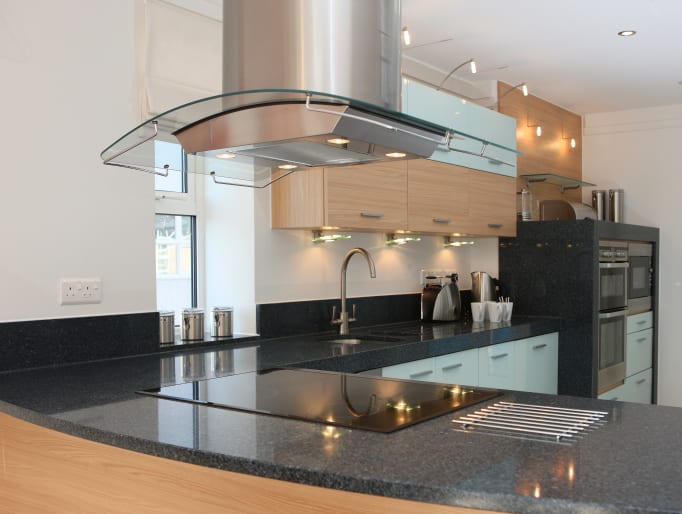
A faucet must fit the sink and countertop. A hood must align with cabinets and ductwork. Shower trim must match the concealed valve. Tile thickness affects transitions and trim. Review connected products together instead of approving each item in isolation.
Define Allowances and Deadlines
If the contract uses allowances, confirm what each one covers: material only or installed cost, plus quantities, delivery, tax, and waste. Give every unresolved choice a decision deadline tied to ordering and construction instead of a vague "later."
Prepare for Delivery and Storage
Decide where materials will be received, checked, and stored. Inspect deliveries promptly for damage, missing parts, and incorrect finishes. Do not let unverified boxes become a surprise on installation day.
Use Three Decision Deadlines
Not every selection needs to be made on the same day. Divide the schedule into three checkpoints so the urgent work receives attention first.
The first checkpoint covers decisions that shape plans and permits: room layouts, walls, openings, plumbing locations, major appliances, ventilation, and electrical capacity. These choices affect what the project team draws and prices.
The second checkpoint covers products needed for rough work or framing. That includes concealed shower valves, tubs, shower bases, drains, toilets, sinks, faucets, medicine cabinets, lighting housings, and equipment with exact connection requirements.
The final checkpoint covers finish coordination. Tile, grout, paint, hardware, mirrors, decorative lighting, and accessories still need deadlines, but they should not distract from the choices that can stop work behind the walls.
A Selection Log Homeowners Can Actually Use
A useful log does not need complicated software. A shared spreadsheet can work if every line includes the room, item, manufacturer, model, finish, quantity, supplier, order status, expected delivery, and approving person. Add a link to the product sheet and a note about who receives the shipment.
Use a separate status for "approved" and "ordered." Homeowners often assume approval means the product has been purchased. Contractors may be waiting for a deposit, final dimension, or written authorization. Those are different milestones.
For tile and flooring, record the ordered quantity rather than only the style name. Waste, pattern, attic stock, dye lots, and damaged pieces can matter. For plumbing and lighting, record every required component. The attractive trim shown online may not include the valve, drain, transformer, mounting hardware, or other parts needed in the wall.
Watch for Substitutions That Change the Work
A substitute is rarely just a different color. A new appliance may require another opening or connection. A thicker tile can change transitions. A wall-mounted faucet affects framing and rough plumbing. A different vanity may move the sink center or leave finished flooring exposed.
When an item changes, ask the project team to review dimensions, installation instructions, utilities, lead time, warranty requirements, and the effect on surrounding finishes. Do that before the replacement is ordered.
The Week-Before-Demolition Check
Seven to ten days before work begins, review the log with the contractor. Confirm that the latest drawings match the selected products, critical items are on site or have dependable delivery dates, damaged goods have been reported, and owner-supplied products are complete.
This meeting is also the time to label stored materials by room, photograph boxes and model numbers, and decide what should not be opened until the installer is present. A short, specific review can prevent days of avoidable waiting once the room is dismantled.
Budget Construction Company coordinates selections with field conditions and trade requirements. Explore whole-home remodeling, combined kitchen and bathroom remodeling, or request an estimate.
Frequently Asked Questions
Must every decorative item be selected before demolition?
Not necessarily, but anything with a long lead time or an effect on dimensions, utilities, or adjacent finishes should be resolved early.
Who should maintain the selection log?
The contractor and homeowner should work from one current record that identifies approvals, ordering responsibility, deadlines, and delivery status.
What causes the most damaging late decisions?
Layout changes and late choices involving cabinets, appliances, plumbing valves, lighting locations, tile dimensions, or custom products can affect several trades at once.
Reviewed by the Budget Construction Company Editorial Team
Budget Construction Company has served Chicago homeowners since 1976. Project costs and requirements vary by property, scope, and municipality.