
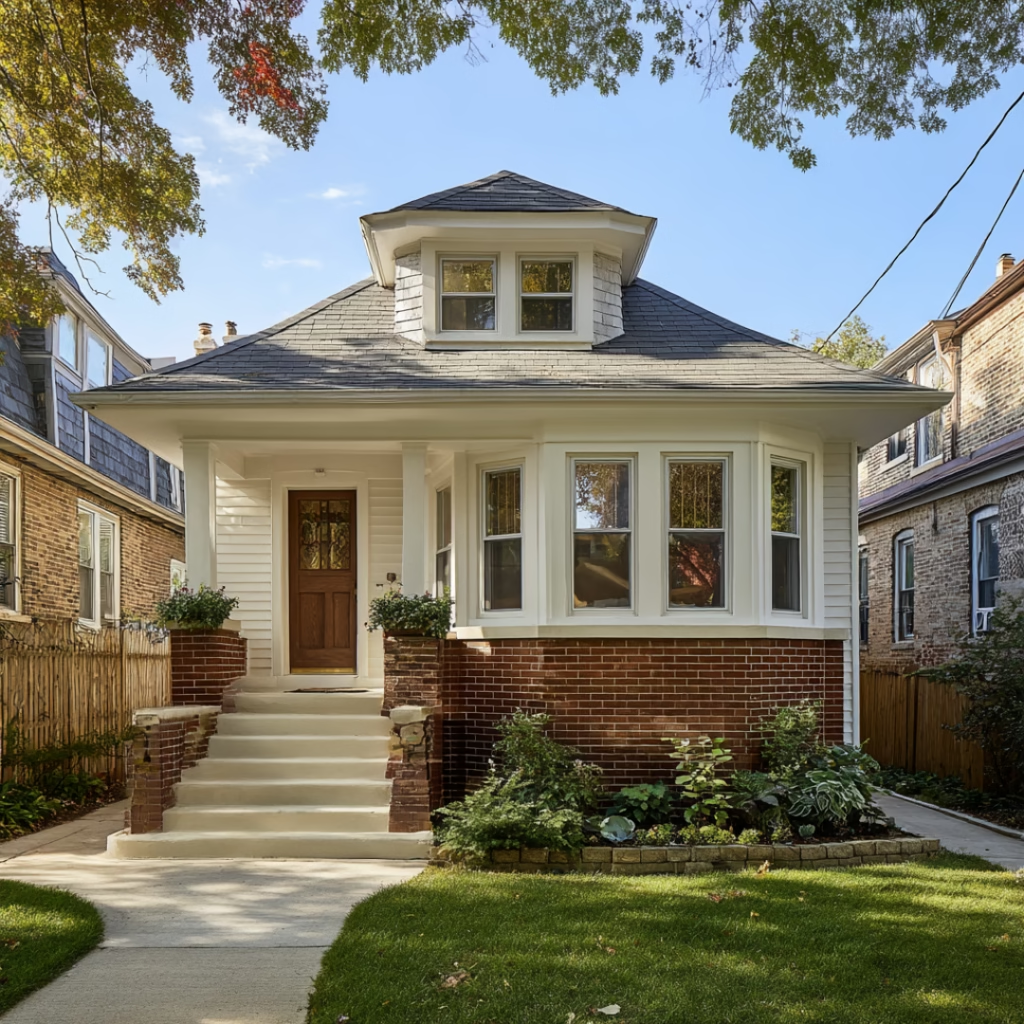
In Chicago’s Climate Zone 5—where winter temperatures plunge below zero and summer heat indexes top 95°F with high humidity—windows represent the single largest source of residential heating and cooling energy loss. Drafty single-pane or failed double-pane windows force furnaces and air conditioners to run continuously, driving up gas and electric bills.
Modern multi-pane insulating glass units (IGUs) combine double or triple glass panes, microscopically thin Low-E metallic coatings, and dense inert gas fills to form a high-performance thermal shield.
Double Glazed vs. Triple Glazed Windows Comparison Table
| Performance Factor | Standard Double-Glazed (Low-E + Argon) | High-Performance Triple-Glazed (Dual Low-E + Krypton/Argon) |
|---|---|---|
| Average Installed Cost / Window | $550 – $950 | $850 – $1,450 |
| U-Factor Rating (Lower = Better) | 0.25 – 0.28 | 0.18 – 0.22 (Extreme Insulating Barrier) |
| Solar Heat Gain Coefficient (SHGC) | 0.25 – 0.35 | 0.20 – 0.28 |
| Condensation Resistance Rating | High (55–65 CR) | Superior (70–75+ CR) (Zero winter interior sweating) |
| Sound Transmission Class (STC) | STC 27 – 30 (Moderate street dampening) | STC 34 – 38 (Blocks heavy CTA train & city traffic noise) |
| Ideal Application | Standard Chicago bungalows, single-family homes, rentals. | North/Lake-facing walls, historic cold rooms, near busy avenues/trains. |
3 Core Technologies Behind Modern Insulated Glass Units
1. Multi-Layer Low-E (Low Emissivity) Coatings
Low-E coatings are microscopically thin layers of silver and metal oxide applied directly to glass surfaces. During Chicago winters, Low-E reflects radiant indoor furnace heat back inside the room. In summer, it reflects ultraviolet and infrared solar rays away, protecting hardwood floors and upholstery from sun fading.
2. Dense Inert Gas Fills (Argon vs. Krypton)
Instead of ordinary air, the sealed space between glass panes is filled with non-toxic, slow-moving inert gas. Argon gas is standard and delivers excellent thermal insulation. Krypton gas is denser and used in triple-pane units with narrow gaps to maximize insulating performance.
3. Warm-Edge Composite Spacers (No Cold Aluminum)
Older double-pane windows used conductive aluminum spacer bars around the perimeter, which transmitted cold temperatures and caused chronic winter frost and condensation along bottom glass edges. Modern units feature non-metallic foam or stainless steel warm-edge spacers that stop thermal bridging completely.
Estimated Utility Bill Savings & Federal Tax Credits
- Annual Utility Reductions: Upgrading an entire home from drafty single-pane windows to Energy Star certified double/triple-glazed units saves Chicago homeowners an average of $300 to $650+ per year on heating and cooling bills.
- Federal 25C Energy Tax Credit: Installing Energy Star Most Efficient certified windows qualifies for a federal tax credit of 30% of product cost (up to $600 annually).
Frequently Asked Questions
Is triple-pane glass worth the extra cost in Chicago?
For rooms with large north-facing or west-facing windows exposed to lake winds, or homes near busy CTA bus routes and expressways, the superior thermal comfort, complete elimination of winter window sweating, and acoustic sound dampening make triple-pane windows well worth the 20–30% price premium.
What causes fog or condensation between double glass panes?
Condensation trapped between the glass panes indicates that the perimeter edge seal has failed, allowing moist air into the chamber and dissipating the insulating argon gas. The window sash or entire unit must be replaced.
Schedule Your Window Energy Consultation
Budget Construction Company provides precision custom-measured window installations, Energy Star certified glass packages, and expert trim finishing across Chicagoland.
- View our Chicago Window Replacement Services
- Read our 2026 Chicago Window Replacement Cost Guide
- Request a Free In-Home Window Estimate or call (773) 283-9200.
Reviewed by the Budget Construction Company Editorial Team
Budget Construction Company has served Chicago homeowners since 1976. Project costs and requirements vary by property, scope, and municipality.