Skip to content
⚡ Financing & Payment Plans Available - Contact Us Today! ⚡
Chicago Remodeling Budget Guide

How to Budget for a Chicago Remodel Without Costly Surprises: 2026

A strong renovation budget is not one optimistic number. It is a documented scope, a selection plan, a schedule of values, realistic allowances, known exclusions, and a protected contingency for the conditions nobody can see until work begins.

10%–20%Contingency Target
Line by LineCompare Scope
Written FirstChanges Later
Planning the Work

Budget certainty is created before demolition.

The decisions made during investigation and design determine how many unknowns remain when pricing begins. More definition upfront usually produces fewer allowances, fewer emergency decisions, and cleaner proposals.

Define Before Pricing

  • Separate must-haves from optional upgrades
  • Document rooms, systems, fixtures, and finish expectations
  • Complete surveys, drawings, and engineering appropriate to the scope
  • Select long-lead and budget-sensitive materials early
  • Give every bidding contractor the same information

Three prices based on three different assumptions are not comparable bids. A common scope is what turns proposals into a useful decision tool.

Control During Construction

  • Track committed cost against the approved budget
  • Review allowance balances before products are ordered
  • Require written pricing and schedule impact for scope changes
  • Keep contingency separate from upgrade money
  • Close permits, warranties, lien documentation, and the punch list

The best time to make a design upgrade is before work begins. Mid-project changes often affect labor already completed, material returns, inspections, and multiple trades.

Interactive Reserve Planner

Estimate a safer total project reserve

Choose a target construction budget, home condition, and scope definition. The result suggests an overall planning envelope—not a contractor estimate.

Suggested overall planning envelope

This envelope combines the selected construction target with planning reserves. Financing costs, temporary housing, owner purchases, professional fees, and major scope additions may require separate funds.

Proposal Anatomy

Understand the three numbers inside every remodel budget

Base scope, allowances, and contingency serve different purposes. Mixing them together makes it hard to tell whether a project is actually on budget.

The base contract should describe the labor, materials, quantities, responsibilities, and results included in the agreed work.

Specific Inclusions

Rooms, demolition, protection, rough systems, finishes, inspections, cleanup, and closeout should be described clearly.

Clear Exclusions

Items by owner, utility fees, hazardous-material work, appliances, design fees, and landscaping should not be left to assumption.

An allowance is a placeholder for an undecided product or scope—not free money and not a guaranteed final price.

Product Allowances

Cabinets, tile, fixtures, countertops, hardware, and lighting should state whether the allowance covers material only or installed cost.

Reconcile Early

Track selections against every allowance before ordering so overages are approved intentionally rather than discovered on an invoice.

Contingency protects the project from genuine uncertainty. It should not be quietly absorbed by upgrades or treated as contractor revenue.

Risk-Based Reserve

A simple refresh in a newer home may need less reserve than a gut renovation in a century-old masonry building.

Owner-Controlled

Keep the reserve visible and release it only for documented concealed conditions, required corrections, or approved changes.

Chicago Risk Factors

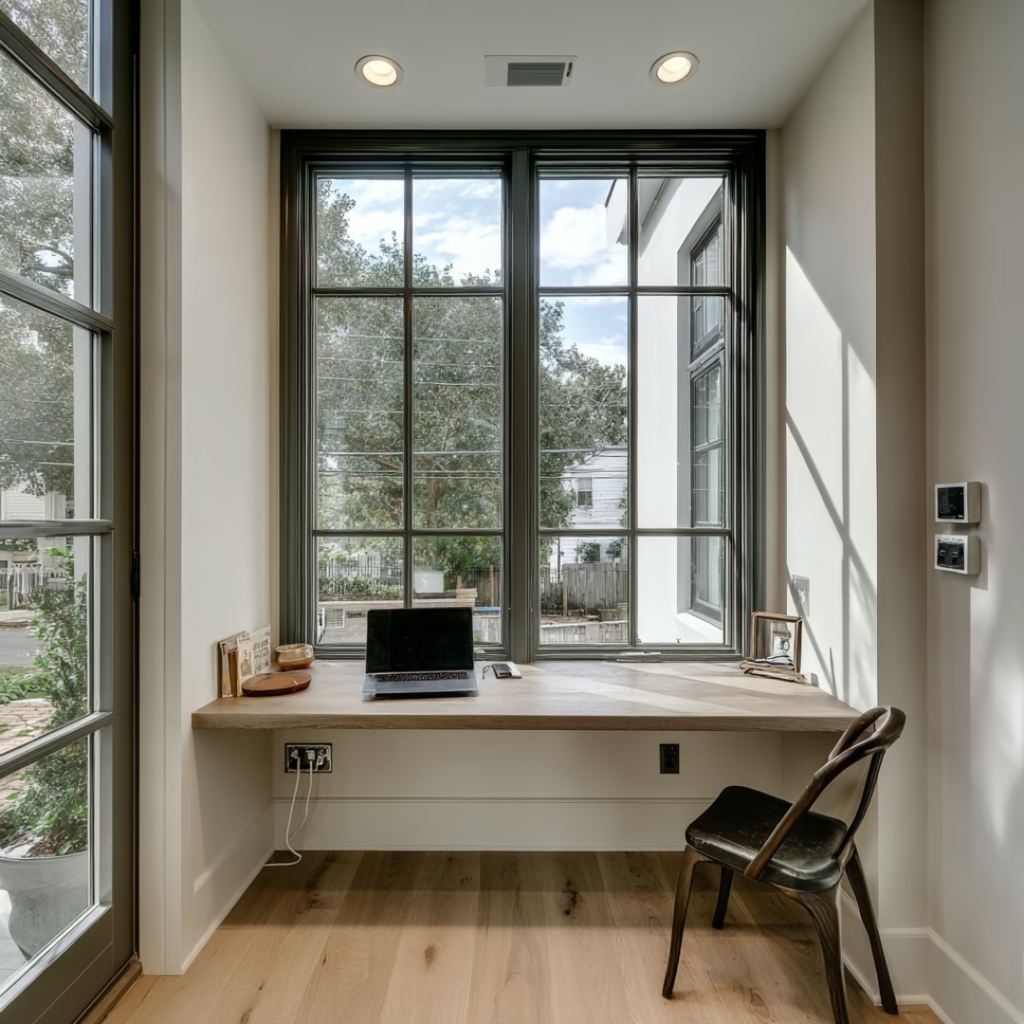
Older homes concentrate cost behind finished surfaces.

These are common investigation categories, not predictions about any individual property.

Electrical

Older wiring, limited circuits, undersized service, grounding, and panel conditions can expand scope when walls are opened.

Plumbing

Galvanized supply, aging drains, lead service questions, poor venting, and previous alterations may require coordinated corrections.

Structure

Modified joists, masonry movement, undersized headers, floor deflection, and past removals can require engineering or repair.

Water + Materials

Roof leaks, basement seepage, failed flashing, mold, asbestos-containing material, or lead paint require the right assessment and response.

Financial Planning

Build the complete project budget

The construction contract is only one part of the cash needed to move from idea to finished, occupied space.

Budget CategoryPlanning AllocationWhat It Includes
Design and Pre-Construction5%–15%Measurement, drawings, engineering, selections, investigation, permit preparation, and professional consultation.
Construction Contract65%–80%Labor, specified materials, supervision, trade work, protection, disposal, inspections, cleanup, and agreed closeout.
Owner-Purchased Items5%–15%Appliances, furniture, window treatments, decorative fixtures, technology, moving, storage, and temporary living.
Contingency Reserve10%–20%Documented concealed conditions, code-driven corrections, design development, and approved unforeseen work.
Post-Project Reserve2%–5%Touch-ups, delayed accessories, final furnishings, maintenance items, and small needs discovered after move-in.

Before signing a remodeling contract

A clear agreement should make the price, process, and responsibilities understandable without verbal side promises.

  • Confirm the exact drawings, proposal date, and specifications that define the scope
  • Review exclusions and owner responsibilities line by line
  • List every allowance with its amount and what the amount covers
  • Tie payments to understandable project milestones or a schedule of values
  • Define how changes are priced, approved, and added to the schedule
  • Verify permit responsibility, insurance, warranties, cleanup, and closeout documents
  • Keep financing, owner purchases, and contingency available before construction begins

Remodeling budget FAQs

How much contingency should I carry?

Many projects use 10% to 20%, but the right reserve depends on age, investigation, demolition, design completeness, and system complexity. A contractor familiar with the property type can help identify the major risk categories.

Should I choose the lowest estimate?

Choose the clearest qualified proposal for the scope you actually want. Compare materials, quantities, allowances, exclusions, supervision, permit responsibilities, schedule, and change-order rules before comparing totals.

What is the best way to avoid change orders?

Complete design and selections early, investigate existing conditions, use written specifications, and resist adding scope after construction starts. Genuine concealed conditions can still occur, especially in older homes.

Turn a rough renovation idea into a defined scope.

Budget Construction Company can review your priorities, existing conditions, and project sequence to prepare a clearer path toward a construction budget.