
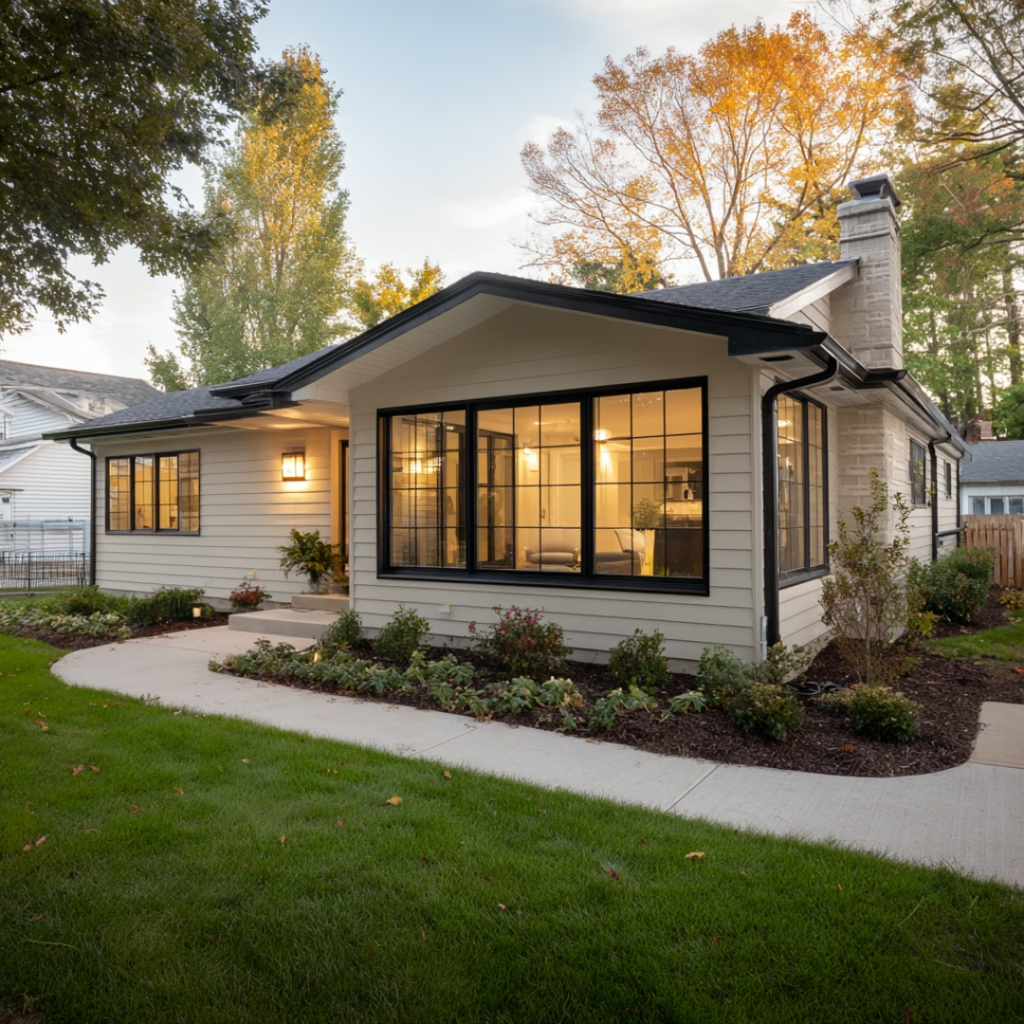
Navigating City of Chicago Department of Buildings (DOB) permit requirements is one of the most important aspects of any residential renovation. While unpermitted work may seem like a shortcut, it exposes homeowners to immediate City stop-work orders, costly retroactive opening of finished walls, and severe complications during future property sales or insurance claims.
Here is an authoritative guide on which home remodeling projects require permits in Chicago for 2026, and how the permitting process works.
What Requires a Permit vs. What Is Exempt in Chicago
| Remodeling Category | City of Chicago Permit Required? | Typical Permit Processing Route |
|---|---|---|
| Kitchen / Bath Cosmetic Swaps (Same layout, no electrical/plumbing moves) | No Permit Required (Exempt) | N/A (Standard maintenance) |
| New Electrical Circuits / Panel Upgrades | Permit Required | Easy Permit Program (Licensed Electrical Contractor) |
| Moving Sinks, Toilets, Gas Lines, Water Heaters | Permit Required | Easy Permit Program (Licensed Plumbing Contractor) |
| Exterior Window & Door Replacements (Same opening size) | Permit Required | Easy Permit Program |
| New Decks, Porches & Staircases | Permit Required | Standard Plan Review / Express Porch Program |
| Removing Walls / Structural Alterations | Permit Required | Standard Plan Review (Architectural Blueprints) |
| Second-Story & Ground-Floor Additions | Permit Required | Developer Services / Self-Certification / Plan Review |
The Chicago "Easy Permit Program" Explained
For non-structural repairs and straightforward mechanical updates, the City of Chicago offers the Easy Permit Program (EPP):
- No Architectural Drawings Required: Repairs that do not change structural load-bearing elements, building egress paths, or property footprints can be processed electronically within days.
- Licensed Trade Pulling: City-licensed electrical, plumbing, masonry, and general contractors log into the DOB portal to pull permits directly under their city license and insurance bonds.
- Instant Issuance: Many Easy Permits are issued within 24 to 72 hours, preventing construction delays.
What Happens If You Remodel Without a Permit in Chicago?
- Stop Work Orders & Double Permit Fees: City building inspectors who observe unpermitted dumpsters, exterior work, or trade activity will post an orange Stop Work placard. Fines range from $500 to $1,000+ per day, and permit fees are doubled upon application.
- Mandatory Wall Opening: Inspectors have the legal authority to require drywall removal so they can inspect concealed rough electrical, plumbing, or framing before granting approval.
- Closing Complications at Resale: Chicago title companies and buyer attorneys frequently audit municipal permit history. Unpermitted room additions or illegal basement conversions can delay closings or require major escrow concessions.
Frequently Asked Questions
How much do City of Chicago building permits cost?
Basic residential Easy Permits typically range between $200 and $600, while complex structural additions and gut renovations are calculated based on total estimated construction value and scope of inspections.
Can a Chicago homeowner pull their own building permit?
For single-family, owner-occupied homes, owners may apply for certain non-structural permits, but all electrical, plumbing, and HVAC work must still be pulled and executed by contractors licensed with the City of Chicago.
Hassle-Free Permitting with Budget Construction Company
Since 1976, Budget Construction Company has managed full architectural drafting, city submittals, and inspection sign-offs for thousands of Chicagoland home renovations.
- Learn more about our Comprehensive General Remodeling Services
- View our Chicago Gut Renovation Permits Guide
- Request a Free Remodeling Consultation or call (773) 283-9200.
Reviewed by the Budget Construction Company Editorial Team
Budget Construction Company has served Chicago homeowners since 1976. Project costs and requirements vary by property, scope, and municipality.